
What continuous finger-based tracking actually changes in daily awareness
Most people check their health data the way they check the weather. They open an app when something feels off or when curiosity strikes. The information arrives in isolated snapshots. A single night of sleep. A single afternoon of steps. A single resting heart-rate reading. The gaps between those snapshots stay invisible.
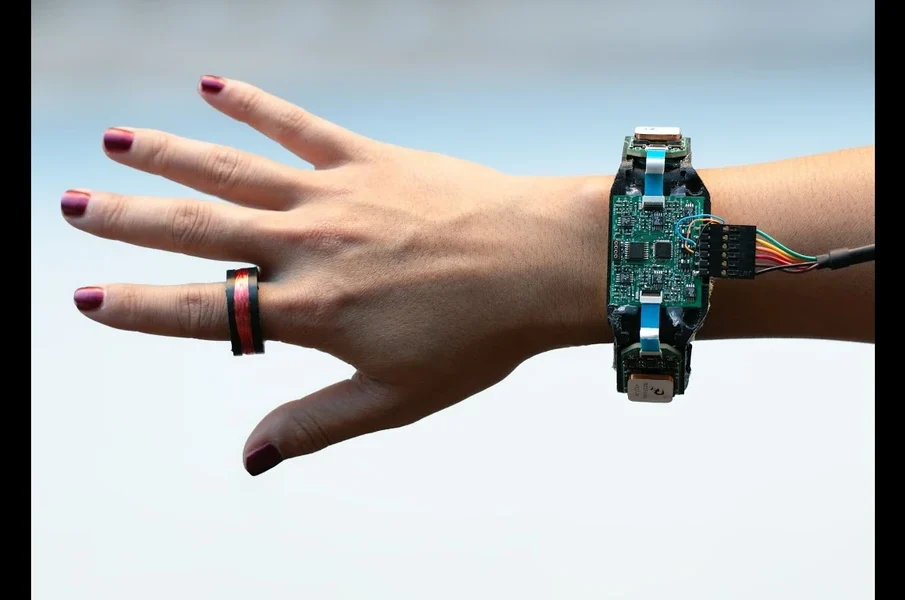
Wearing a lightweight ring changes the sampling rate. Data collection becomes continuous and almost unnoticed. Sleep stages, movement, and recovery markers accumulate in the background. The shift is not dramatic on any single day. It becomes clear only after the patterns start repeating in front of the wearer.
A Smart Ring Singapore user often notices the change first in the morning. Instead of guessing how the night went, the previous sleep architecture is already summarised. Light, deep and REM portions sit side by side. The number itself is less important than the emerging regularity or irregularity across several nights. Small deviations that would have been forgotten become visible simply because the record is complete.
From occasional checks to ongoing texture
Intermittent tracking tends to capture extremes. The unusually bad night. The unusually active day. Continuous tracking fills in the ordinary middle. Most days are neither excellent nor poor. They sit in a narrow band. Seeing that band repeatedly recalibrates expectations. A slightly shorter deep-sleep period no longer feels like failure once it appears as part of a stable personal range.
The same effect appears in movement. Step counts and active minutes stop being daily targets and start becoming texture. The wearer begins to recognise which kinds of days produce higher totals without deliberate effort and which kinds suppress them. The data stops feeling like a score and starts feeling like a quiet map of ordinary behaviour.
Checklist of daily pattern shifts
- Morning awareness of the previous night’s sleep structure without deliberate logging
- Recognition of personal baseline ranges rather than single-night judgements
- Earlier detection of multi-day drifts in recovery markers
- Reduced need to remember to open an app at specific times
- Greater visibility of ordinary mid-range days instead of only extremes
- Quiet adjustment of expectations around movement and rest
These shifts accumulate slowly. None of them requires the wearer to become an expert in interpreting charts. The continuous record itself does most of the work by making previously invisible texture visible.
Comfort as the condition that keeps the record intact
None of the pattern recognition matters if the device is removed after a few days. A ring that stays on through sleep, showers and ordinary activity preserves the continuity that intermittent devices lose. Weight, profile and battery life therefore become practical rather than secondary features. A device that needs frequent charging or feels intrusive breaks the very continuity it is meant to create.
Users who keep a Smart Ring Singapore on for weeks rather than days usually report the same quiet change. They stop treating health data as something they must actively collect. The collection happens in the background. Attention moves to the patterns that emerge from that background record.
Continuous low-effort data makes small patterns visible that intermittent checks miss. The ring does not create new discipline. It simply removes the gaps that previously hid the ordinary shape of sleep, movement and recovery. Once those gaps close, daily awareness adjusts on its own.


